How to lose weight with intermittent fasting 2026, has evolved from a niche dieting trend into a mainstream, research-backed approach to weight loss. As we move into 2026, more people are turning to intermittent fasting not just to lose weight, but to improve metabolic health, energy levels, and long-term sustainability.
If you’re searching for how to lose weight with intermittent fasting 2026, this guide will walk you through the latest strategies, realistic expectations, and proven methods—without hype, extreme claims, or confusing science jargon.
What Is Intermittent Fasting?
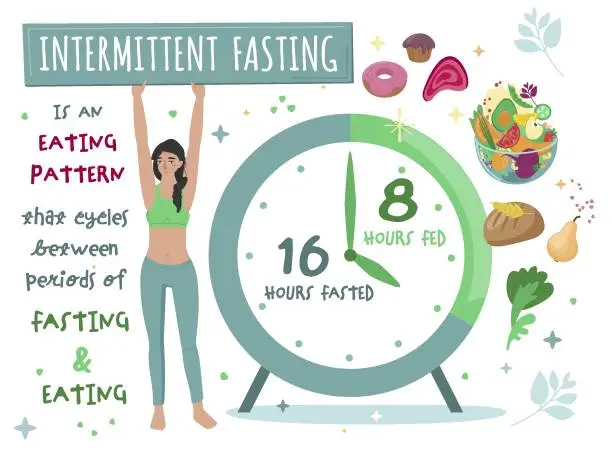
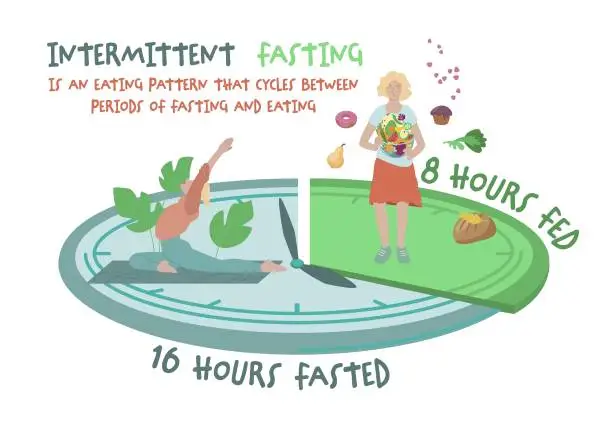
Intermittent fasting (IF) is an eating pattern that cycles between periods of eating and fasting. Instead of focusing on what you eat, it emphasizes when you eat.
The core idea is simple:
By giving your body longer breaks from food, you allow insulin levels to drop, fat-burning hormones to activate, and calorie intake to naturally regulate.
Unlike crash diets, intermittent fasting is flexible, adaptable, and supported by growing scientific evidence.
Why Intermittent Fasting Still Works in 2026
Despite new diet trends emerging every year, intermittent fasting remains effective because it aligns with human biology.
Key reasons it works:
- Helps regulate insulin sensitivity
- Encourages fat burning during fasting windows
- Reduces mindless snacking
- Supports calorie control without strict tracking
- Promotes metabolic flexibility
Modern research continues to support IF for sustainable weight loss when done correctly and consistently.
How to Lose Weight With Intermittent Fasting 2026: The Right Way
Weight loss with intermittent fasting isn’t about starving yourself. It’s about structure, consistency, and smart nutrition.
Step 1: Choose the Best Fasting Schedule for Your Lifestyle
Not all fasting methods work for everyone. In 2026, personalization matters more than ever.
Popular Intermittent Fasting Methods
16:8 Method (Most Beginner-Friendly)
Fast for 16 hours, eat within an 8-hour window.
Example: Eat from 12 PM to 8 PM.
14:10 Method (Gentler Start)
Ideal for beginners easing into fasting.
18:6 Method
More aggressive, better for experienced fasters.
5:2 Method
Eat normally 5 days a week, restrict calories on 2 non-consecutive days.
Expert Tip:
Start with 16:8. It offers the best balance between results and sustainability.
Step 2: Focus on Food Quality, Not Just Timing
Intermittent fasting is not a free pass to eat poorly.
To lose weight effectively in 2026, your meals should prioritize:
- Lean proteins (chicken, fish, eggs, tofu)
- Fiber-rich vegetables
- Healthy fats (olive oil, avocado, nuts)
- Whole carbohydrates (brown rice, quinoa, oats)
Avoid ultra-processed foods, sugary drinks, and refined carbs—these can stall fat loss even if you’re fasting.
Step 3: Create a Calorie Deficit Naturally
Fasting helps reduce calorie intake, but weight loss still depends on energy balance.
The advantage of intermittent fasting is that it makes a calorie deficit feel effortless—no constant tracking, no rigid rules.
Signs you’re in a healthy deficit:
- Gradual weight loss (0.5–1 lb per week)
- Stable energy levels
- No extreme hunger or fatigue
If weight isn’t changing after 3–4 weeks, portion sizes or food choices may need adjustment.
What to Drink While Fasting (Important in 2026)
Hydration plays a critical role in fasting success.
Allowed During Fasting:
- Water (still or sparkling)
- Black coffee
- Plain tea (green, black, herbal)
- Electrolytes (unsweetened)
Avoid:
- Sugary drinks
- Creamers or sweeteners
- Alcohol during fasting windows
Staying hydrated reduces hunger, headaches, and fatigue—common issues for beginners.
Common Mistakes That Prevent Weight Loss
Even with intermittent fasting, mistakes can slow or stop progress.
1. Overeating During Eating Windows
Eating excessively “because you fasted” cancels the calorie deficit.
2. Ignoring Protein Intake
Protein supports muscle retention and satiety.
3. Inconsistent Schedule
Changing fasting times daily confuses hunger hormones.
4. Poor Sleep
Lack of sleep increases hunger and cravings.
5. Expecting Instant Results
Healthy fat loss takes time—consistency matters more than speed.
How Long Does It Take to See Results?
Most people notice:
- Reduced bloating within 1 week
- Improved energy after 10–14 days
- Visible fat loss within 3–4 weeks
By 8–12 weeks, consistent intermittent fasting often leads to meaningful and sustainable weight loss.
Intermittent Fasting and Exercise in 2026
Exercise enhances fat loss but should complement fasting—not fight it.
Best Workouts While Fasting:
- Walking
- Strength training
- Light cardio
- Yoga or mobility work
When to Train:
- Light workouts during fasting
- Intense workouts near eating windows
Strength training is especially important to preserve muscle while losing fat.
Is Intermittent Fasting Safe?
For most healthy adults, intermittent fasting is safe when done responsibly.
However, it may not be suitable for:
- Pregnant or breastfeeding individuals
- People with eating disorders
- Those with certain medical conditions
Always consult a healthcare professional if unsure.
Sustainable Weight Loss: The 2026 Mindset
The biggest shift in 2026 is moving away from “quick fixes” and toward long-term habits.
Intermittent fasting works best when:
- It fits your lifestyle
- It doesn’t feel restrictive
- You can maintain it long term
Weight loss is not about perfection—it’s about consistency.
Final Thoughts: How to Lose Weight With Intermittent Fasting 2026
Intermittent fasting remains one of the most effective and sustainable approaches to weight loss in 2026. When combined with nutritious food choices, proper hydration, movement, and patience, it delivers real results without extreme dieting.
If you’re looking for how to lose weight with intermittent fasting 2026, the answer is simple but powerful:
Eat with intention. Fast with consistency. Live with balance.