You’ve probably seen it everywhere lately are What Lions Mane Mushroom Benefits for Memory and Focus? — lion’s mane in coffee, in capsules, in gummies. Someone at work swears it cleared their brain fog. A podcast host says it changed their focus. And now you’re here, trying to figure out whether any of it is actually true before you spend $40 on a bottle.
Fair enough. This article gives you the honest version — what lion’s mane is, what the research actually shows about its benefits for memory and focus, what it doesn’t show, and what to look for if you’re buying a supplement in Canada. No hype, no exaggeration.
Looking for a brain-health supplement that includes lion’s mane alongside other researched nootropic ingredients?
Dr. James Parker, MD, PhD
Health Researcher · Supplement Reviewer · healthodiet.com
Published: June 2026 | 🍁 Written for Canadian readers | 7 min read
What Is Lions Mane Mushroom?
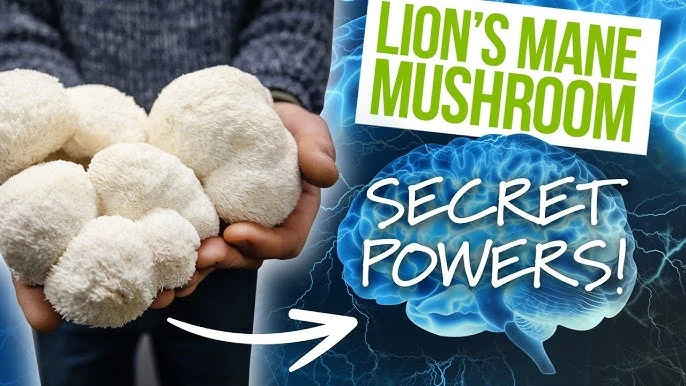
Lions mane (Hericium erinaceus) is a large, white, shaggy mushroom that grows on hardwood trees — beech, maple, oak — and gets its name from the way it looks: cascading white tendrils that genuinely resemble a lion’s mane. It’s native to North America, Europe, and Asia, and it’s not hard to find growing wild in Canadian forests, particularly in Ontario and British Columbia.
It’s been used in traditional Chinese medicine for centuries — primarily for digestive health and as a general tonic — long before anyone knew what was chemically responsible for its effects. In Chinese folklore, it was said to promote “nerves of steel and the memory of a lion.” Modern supplement marketing has leaned heavily into that second part.
How Lions Mane May Support Memory and Focus
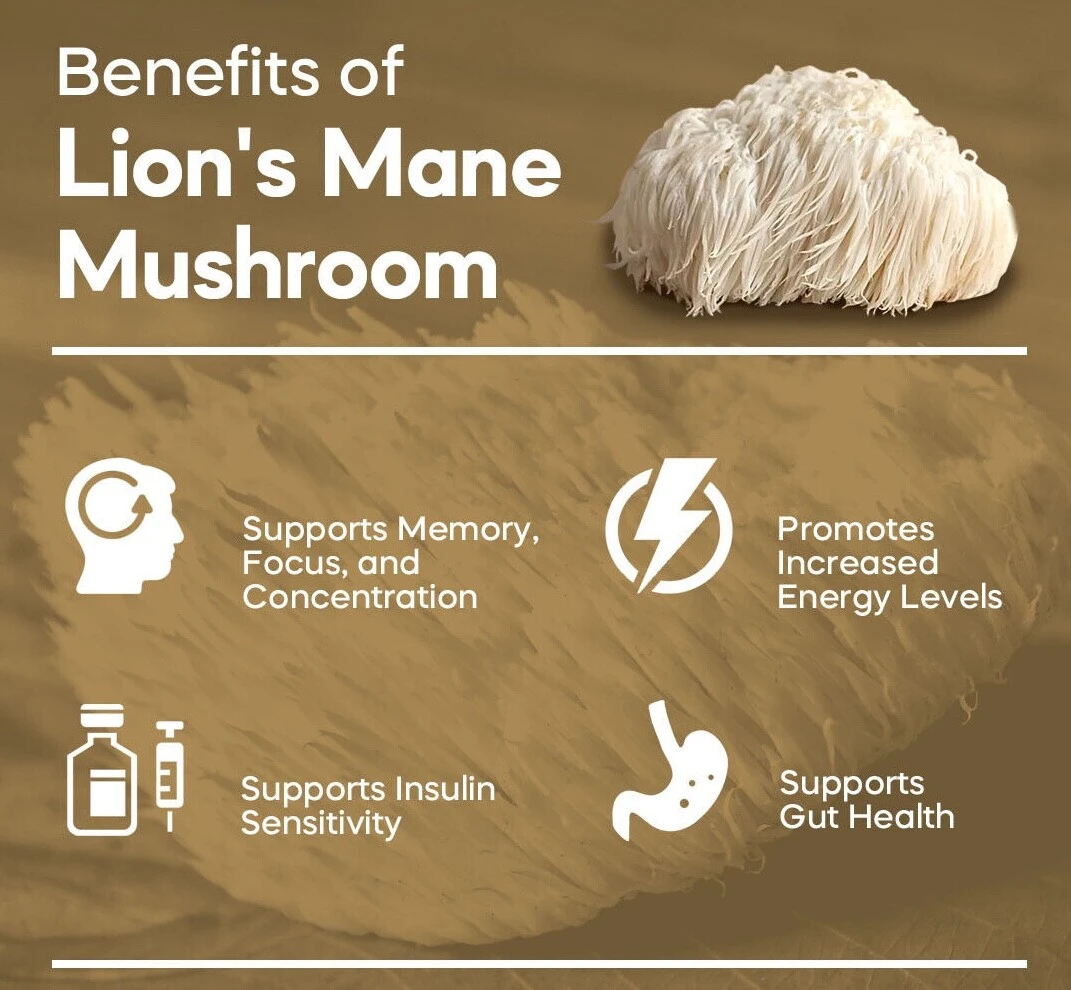
The lions mane mushroom benefits for memory and focus that researchers are most interested in come down to two groups of compounds: hericenones (found in the fruiting body) and erinacines (found in the mycelium). Preclinical studies have demonstrated that these bioactive compounds can promote nerve growth factor (NGF) synthesis and potentially support neuroplasticity.
NGF is a protein your brain needs to grow, maintain, and repair nerve cells. Think of it as fertiliser for neurons. As we age, NGF production can decline — and that’s one of the reasons cognitive sharpness tends to dull over time. The working theory is that lion’s mane may help counteract this by signalling the body to produce more of it.
One important nuance worth knowing: hericenones are larger molecules that may not efficiently cross the blood-brain barrier directly, but may still influence neurotrophic signalling indirectly via peripheral NGF stimulation — meaning the mechanism is real, but more complex than “mushroom compound goes to brain, brain gets smarter.” Erinacines from the mycelium, on the other hand, are smaller and do appear to cross the blood-brain barrier more readily in animal studies.
Lion’s mane also contains beta-glucans — polysaccharides associated with immune function and antioxidant activity — which may contribute to the overall neurological support picture, even if they aren’t the primary cognitive mechanism.
What Does the Research Actually Say?
Here’s where I’ll give you the honest version that most supplement brands won’t. The research is genuinely interesting — and genuinely limited.
On the positive side: a double-blind placebo-controlled trial of 30 people with mild cognitive impairment showed improved cognitive test scores after 16 weeks of lion’s mane treatment. A separate trial of 31 healthy adults over 50 showed improved cognitive function on one of three tests used after 12 weeks — though both the lion’s mane group and the placebo group improved, which muddies the picture somewhat. A 2025 trial published in Frontiers in Nutrition tested acute effects in healthy younger adults and found early signals of cognitive and mood benefit after a single dose.
The honest caveat: well-designed larger and longer clinical trials are still needed, and cognitive effects with lion’s mane supplements have been mixed based on several small clinical trials. Most supporting research is still animal-based or conducted in vitro. The human trials that do exist are small — typically 30 to 50 participants — and the results aren’t uniformly positive across all tests. One trial also noted that cognitive improvements declined after the supplementation period ended, suggesting the effect requires consistent use rather than offering any lasting structural change.
Lions Mane vs. Other Nootropics — Ginkgo Biloba and Bacopa
Lion’s mane works primarily through NGF stimulation and neuroplasticity support — a mechanism neither ginkgo biloba nor bacopa shares. Ginkgo is primarily a circulation enhancer, improving blood flow to the brain rather than directly promoting nerve growth. Bacopa monnieri works through different neurotransmitter pathways — primarily serotonin and acetylcholine — and has more robust human trial data for memory in older adults, but a slower onset (typically 8–12 weeks). Lion’s mane is the only one of the three linked directly to NGF, which makes it a distinct rather than interchangeable option — and explains why it’s often combined with other nootropics rather than used as a standalone replacement for them.
How Much Lions Mane Should You Take for Cognitive Benefits?
The doses used in human cognitive studies have generally ranged from 250mg to 1,000mg+ per day of standardised extract, depending on the extraction ratio and concentration. A common format in Canada is a 10:1 or 8:1 extract — meaning 500mg of extract is equivalent to roughly 4,000–5,000mg of raw mushroom. That’s not the same as 500mg of mushroom powder, so the number on the label alone doesn’t tell you much without knowing the extraction ratio.
Taking lion’s mane with food appears to improve tolerability. And because lion’s mane works by supporting nerve growth and neurological health, it is considered a cumulative supplement — meaning consistent daily use over weeks is more meaningful than any single dose.
For Canadian buyers specifically: look for products carrying a Natural Product Number (NPN) on the label. Products with a licence have been assessed by Health Canada and found to be safe, effective and of high quality under their recommended conditions of use. An NPN tells you the health claims on the label have been reviewed — not just printed. Consult a healthcare practitioner before starting if you have any existing health conditions or take prescription medications.
Lions Mane Side Effects and Who Should Avoid It
Lion’s mane is generally well tolerated in healthy adults at standard supplement doses. No significant adverse effects were reported in most of the human trials conducted to date. That said, a few groups should exercise caution.
People with mushroom allergies — or known sensitivities to mould — should approach lion’s mane carefully and ideally consult a doctor first. There are isolated case reports of allergic skin reactions. Pregnant and breastfeeding women are consistently advised by Health Canada–licensed products to consult a healthcare practitioner before use, as there isn’t sufficient safety data for these populations. And if you take blood thinners or anticoagulant medications, be aware that some early research suggests lion’s mane may have mild antiplatelet activity — another reason to flag it with your prescribing physician before adding it to your routine.
Choosing a Quality Lion’s Mane Supplement in Canada
This section matters more than most reviews admit, because not all lion’s mane supplements are the same product — even when they carry the same name and a similar price.
The most important distinction is fruiting body vs. mycelium on grain. Many cheaper supplements are made from mycelium — the root-like structure of the mushroom — grown on a grain substrate like rice or oats. The result is often a product that’s mostly grain starch with a relatively low concentration of the active compounds you’re actually looking for. 100% fruiting body products use the actual mushroom cap, ensuring maximum bioavailability and effectiveness of the active compounds that support cognitive function. Look for “fruiting body” explicitly on the label, and look for standardised percentages — ideally 25%+ beta-glucans and 40%+ polysaccharides — so you know what you’re actually getting per dose.
For Canadian buyers, here’s a practical checklist before you buy:
- NPN on the label — confirms Health Canada licensing and reviewed health claims
- Fruiting body extract — not mycelium on grain or unspecified “mushroom powder”
- Standardised potency — look for beta-glucan or polysaccharide percentages listed
- Third-party tested — particularly for heavy metals, given mushrooms’ bioaccumulation tendency
- Made in Canada or GMP-certified facility — Health Canada–reviewed and approved health claims are required for NPN licensing, but facility standards matter too
Canadian-made options from Ontario and British Columbia manufacturers tend to meet these standards and are verifiable through Health Canada’s Licensed Natural Health Products Database — a free tool where you can look up any NPN number and verify what claims have actually been approved.
If you’re looking for a supplement that combines lion’s mane with other evidence-backed nootropic ingredients in a single daily formula, we’ve reviewed one option that checks these boxes — see our brain health supplement reviews here.
Frequently Asked Questions
Final Verdict — Is Lions Mane Worth It for Memory and Focus?
Lion’s mane mushroom is one of the more scientifically interesting options in the nootropic supplement space — not because the evidence is overwhelming, but because the mechanism is genuinely novel and the early human research is pointing in a consistent direction. The NGF pathway is real, the fruiting body compounds are real, and the small human trials that do exist show meaningful signals — particularly in older adults with early cognitive concerns.
What it isn’t: a proven memory treatment, a substitute for medical care, or a product that works the same regardless of how it’s extracted and processed. Canadian buyers have an advantage here — Health Canada’s NPN licensing means products meeting that standard have had their claims reviewed, which cuts through a lot of the quality uncertainty that plagues this category in less-regulated markets.
If you’re a healthy adult in your 40s, 50s, or beyond and you want to proactively support cognitive health with something plant-based and well-tolerated — lion’s mane is a reasonable addition to consider, particularly alongside other evidence-backed ingredients rather than in isolation.
Looking for a cognitive support formula that includes lion’s mane with other researched ingredients?
We’ve reviewed one of the more thoughtfully formulated options — with honest ingredient analysis and no sugarcoating.